

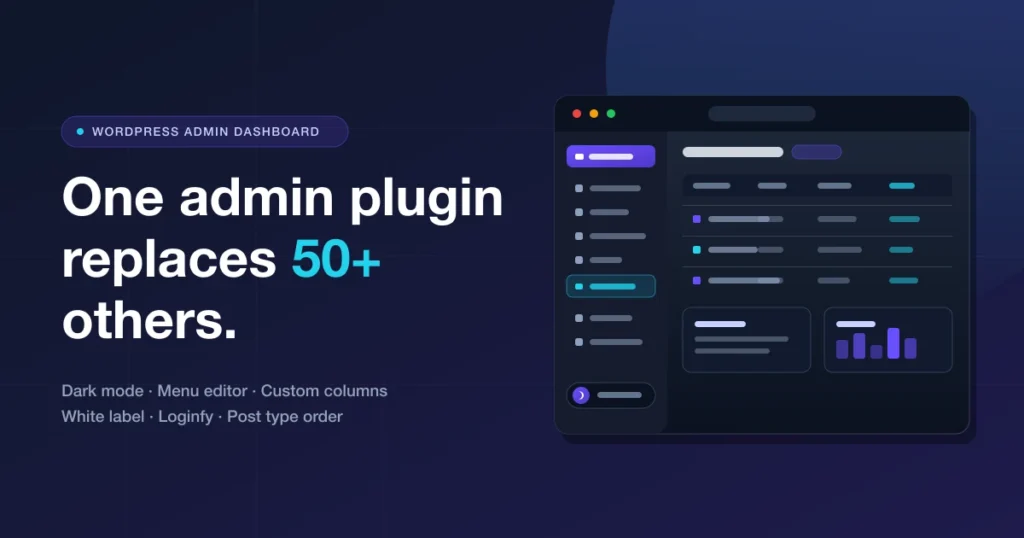
By Roy, Master Addons for Elementor · Updated July 2026
The WordPress admin dashboard has barely changed in fifteen years. It still greets every new user with a welcome panel nobody reads, a pile of plugin nag notices, a menu ordered by whatever each plugin author decided that day, and a media library that turns into an endless scroll by month three.
You’ve got two ways out. Install a separate plugin for each annoyance (one for dark mode, one for the menu, one for notices, one for media folders, one for the login page) and watch your plugin count climb past forty. Or install one WordPress admin dashboard plugin that handles the lot.
This post is about the second route. We build WP Adminify at Jewel Theme, the same team behind Master Addons for Elementor, so read this as a first-hand tour rather than a neutral review. Everything below is a module you can switch on today, and I’ve included the screenshots so you can see what you’re getting instead of taking my word for it.
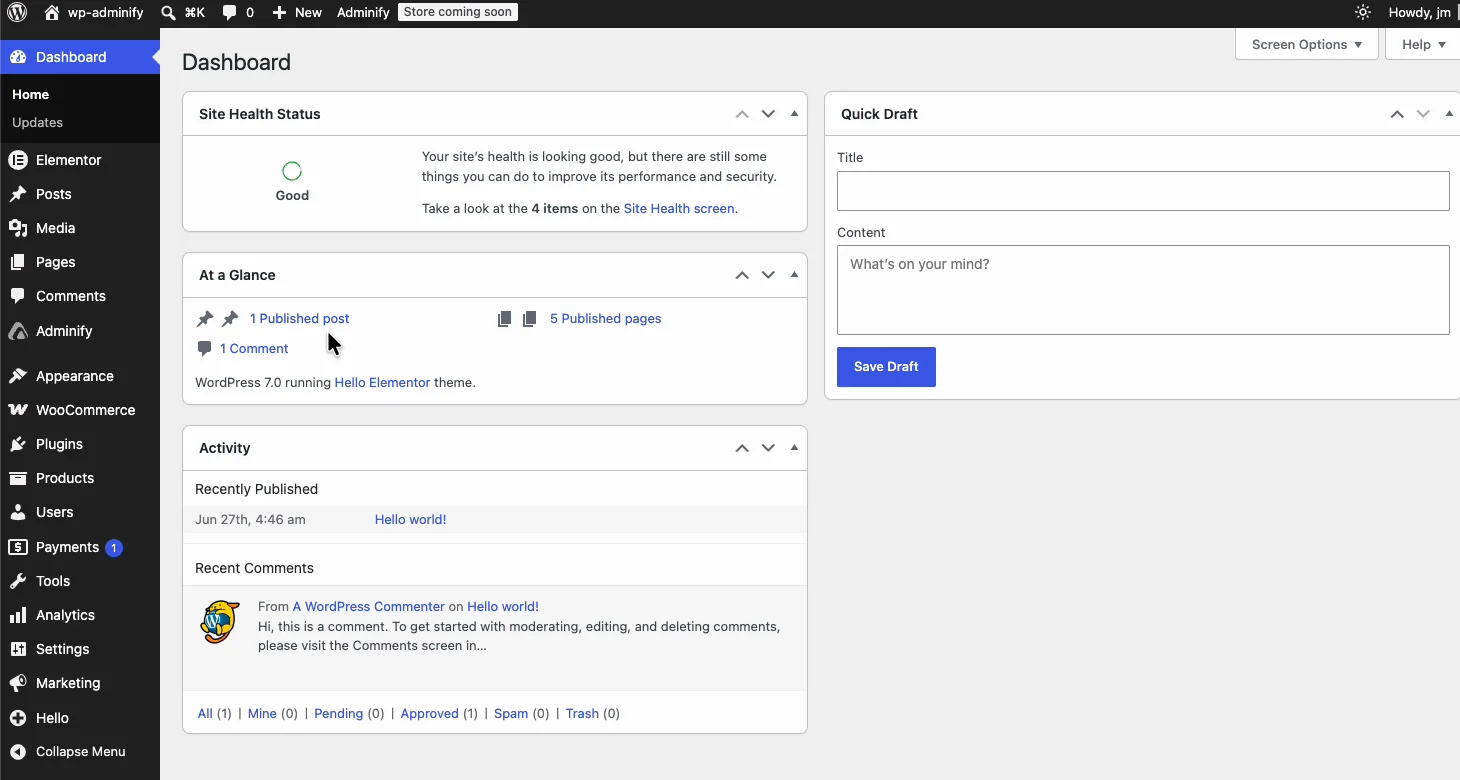
What is a WordPress admin dashboard plugin?
It changes wp-admin itself rather than the front end of your site. Instead of controlling what visitors see, it controls what you, your team, and your clients see after logging in.
The good ones cover four jobs:
- Appearance. Colors, skins, dark mode, logo, favicon, fonts, footer text.
- Structure. Menu order, admin columns, dashboard widgets, custom admin pages.
- Noise removal. Admin notices, the welcome panel, comments, update nags.
- Client handoff. White label, role permissions, activity logs, a login page that looks like the client’s brand instead of WordPress.
WP Adminify does all four. Current version is 4.2.19, it runs on 7,000+ active sites, it’s tested against WordPress 7.0.1, and it holds a 4.3 star rating on WordPress.org. It’s been in active development since 2021, which counts for something in a category full of plugins that got abandoned two years after launch.
Why one plugin beats ten
Every plugin you add carries a cost. Another update to test. Another security surface. Another author who might disappear. Another set of admin assets loading on every wp-admin page. Ten small plugins solving ten small annoyances isn’t a lighter setup than one plugin solving all ten, it’s a heavier one with ten times the failure points.
WP Adminify ships 60+ features as modules you toggle one by one. Turn on dark mode and the menu editor, leave the other 58 off, and only the code you enabled loads. Same logic keeps your front-end stack lean with a single addon like Master Addons instead of five overlapping Elementor plugins.
Dashboard customization: make wp-admin look like yours
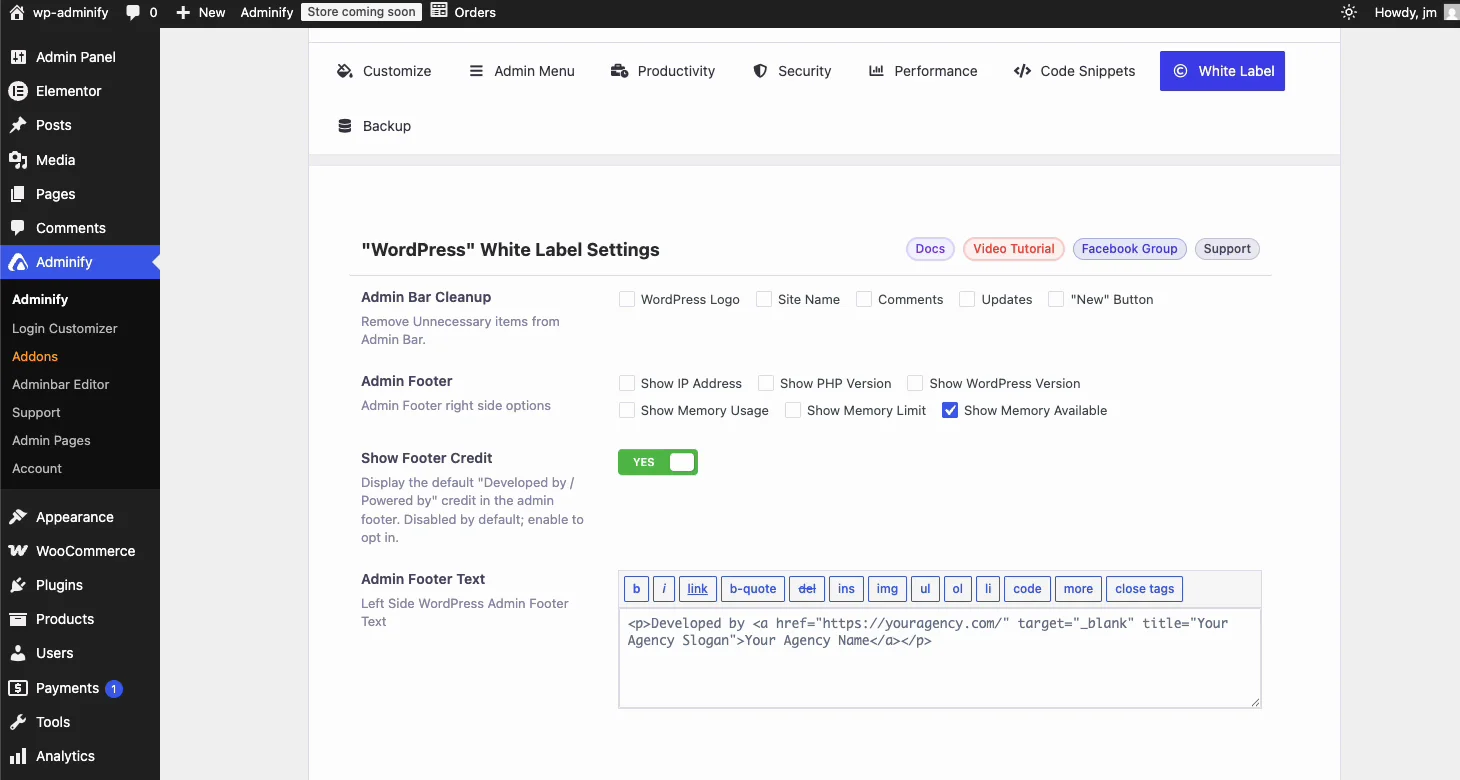
Start with the part clients notice first. You can set custom color schemes, swap the WordPress logo for your own, change the favicon, pick the admin body font, and rewrite the admin footer text.
Four interface skins ship out of the box: Light, Dark, Gradient, and Glassmorphism. If you’ve used the Glassmorphism extension in Master Addons, it’s the same visual idea pointed at the backend instead of a landing page section.
The layouts are responsive and tested on tablet and phone. Sounds like a throwaway detail right up until you’re fixing a client’s typo from your phone on a Sunday.
WordPress dashboard dark mode
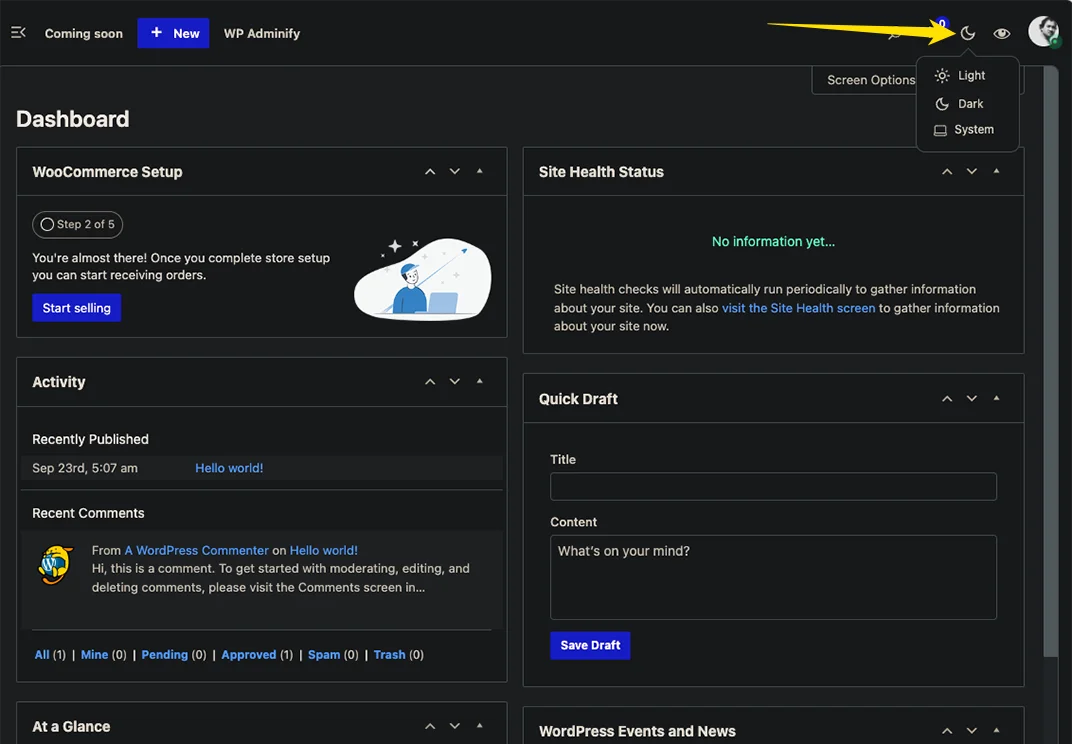
The dark mode admin panel is what people install Adminify for, and then they stay for everything else. One click flips the whole backend, and it goes past a simple color inversion in three ways:
- OS-adaptive. It reads the system preference and matches it, same as a decent front-end dark mode.
- Scheduled. Set a start and end time and the dashboard goes dark on its own in the evening.
- Per-user. Your preference doesn’t get forced on your client or your editor. Everyone picks their own.
Coverage is what separates it from the free single-purpose dark mode plugins. Adminify styles 50+ popular plugin screens, WooCommerce and Rank Math included, so you don’t end up with a dark dashboard and one blinding white settings page in the middle of it. That’s the usual failure mode of the cheap ones, and you only notice after you’ve committed. If you’re weighing alternatives, we compared them in Best WordPress Dark Mode Plugins, and the front-end side is covered in WordPress Dark Mode.
Admin menu editor: fix the menu WordPress gave you
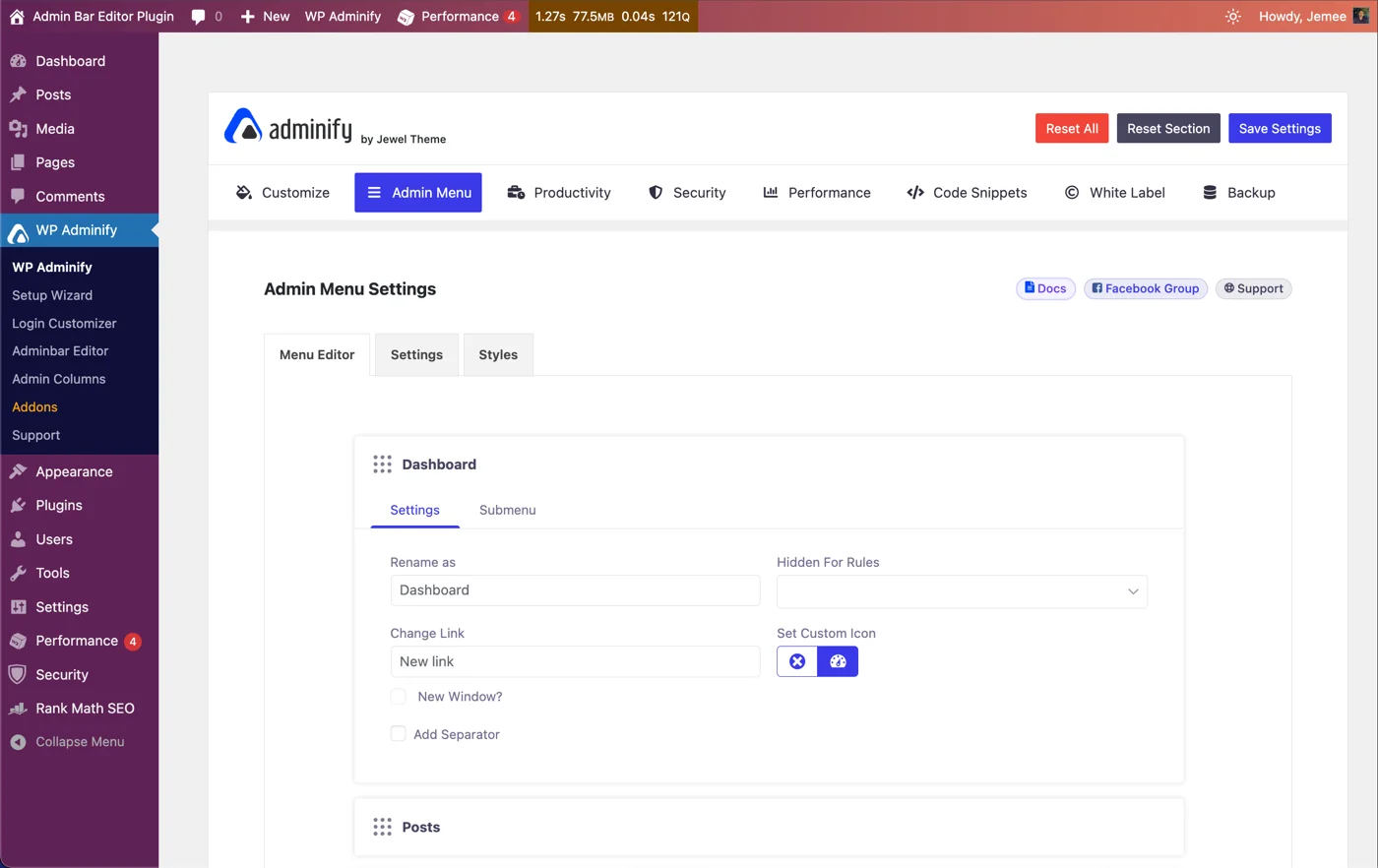
The default admin menu is ordered by plugin activation date, which is another way of saying randomly. The admin menu editor lets you drag items into an order that makes sense, and it handles a few things the older menu editor plugins never bothered with:
- Rename any menu item (clients find “Products” faster than “WooCommerce”)
- Hide items per user role, so an editor never sees Plugins or Settings
- Swap the icon for any Dashicon, or upload your own SVG
- Add custom menu items pointing anywhere, including external URLs that open in a new tab
- Insert separators to group related items
- Search the menu, which sounds pointless until you inherit a site with 40 menu entries
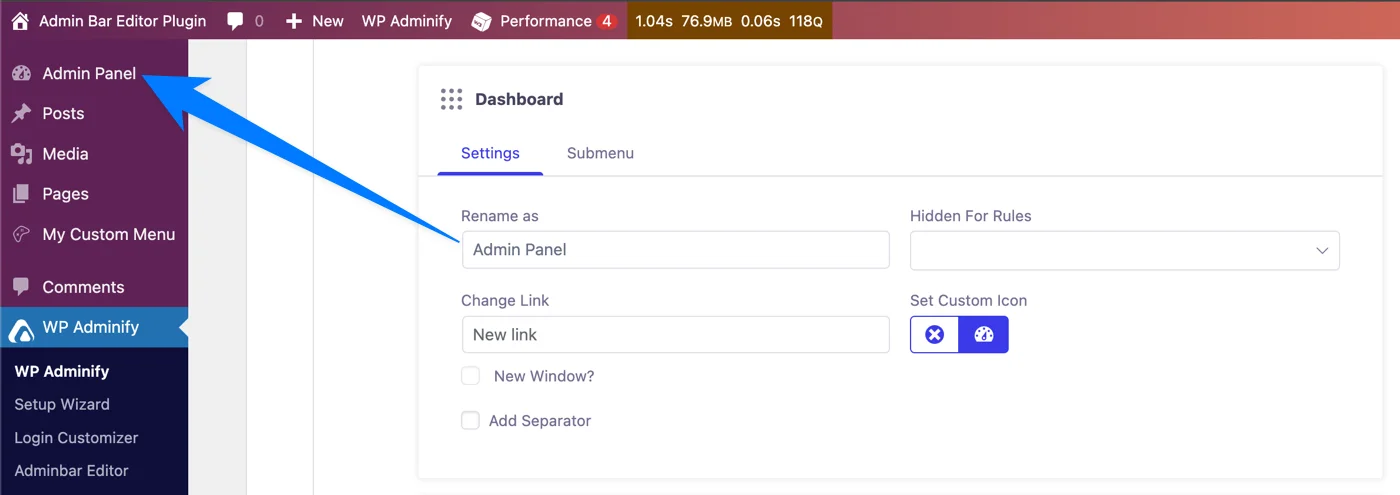
Role-based visibility is the feature that earns its keep on client work. Hiding the menu items a client will never use is the cheapest support-ticket prevention there is: they can’t break what they can’t see.
Admin Bar Editor: clean up the top toolbar
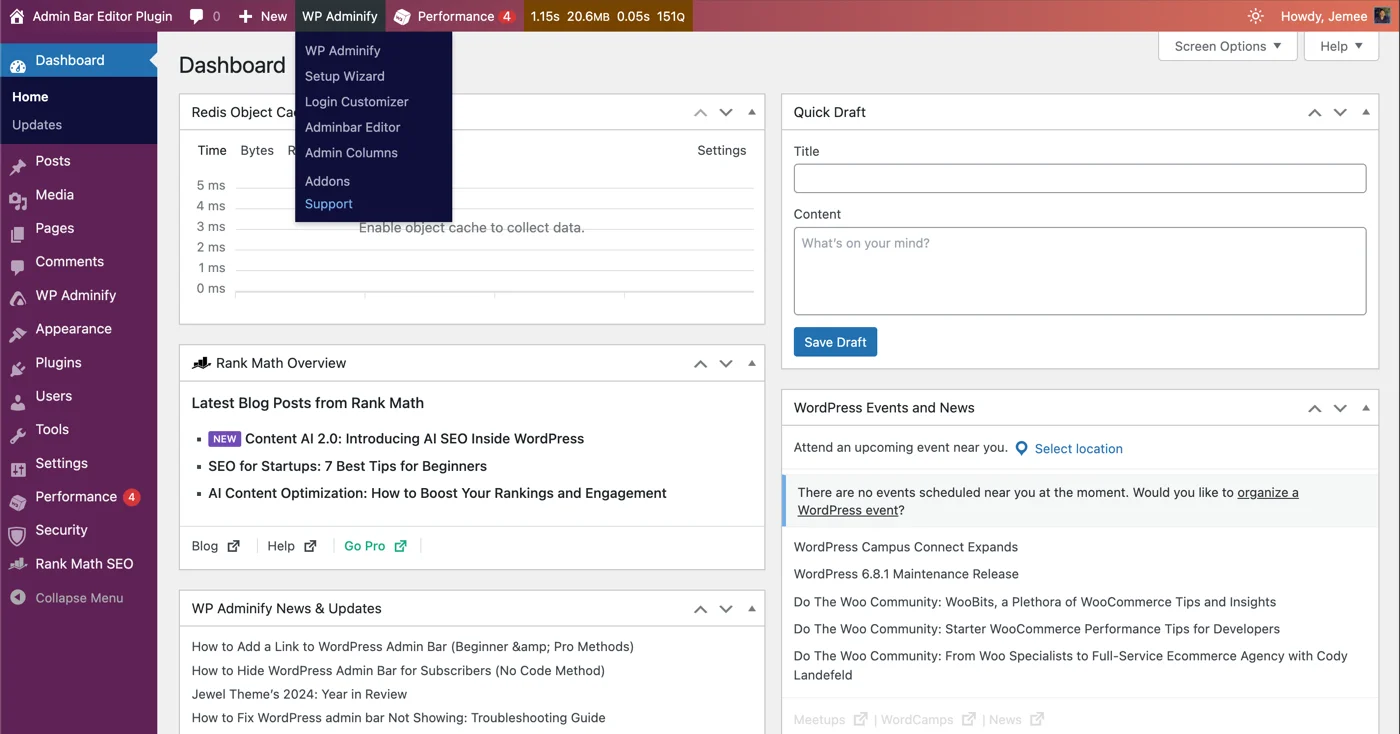
The admin bar across the top collects junk from every plugin you install. Admin Bar Editor is a separate free plugin from the same team that clears it out.
Toggle off the core items you never touch (the WordPress logo, comments, updates, the “New” menu), drag the rest into order, and treat the front-end and back-end toolbars as two separate things, because they are. You can drop the bar to the bottom of the screen if you’d rather have it out of the way.
Pro adds role-based visibility and custom links with styling. It’s free on WordPress.org with 3,000+ active installs and a 4.3 rating.
Admin columns editor: put the data you need in the list view
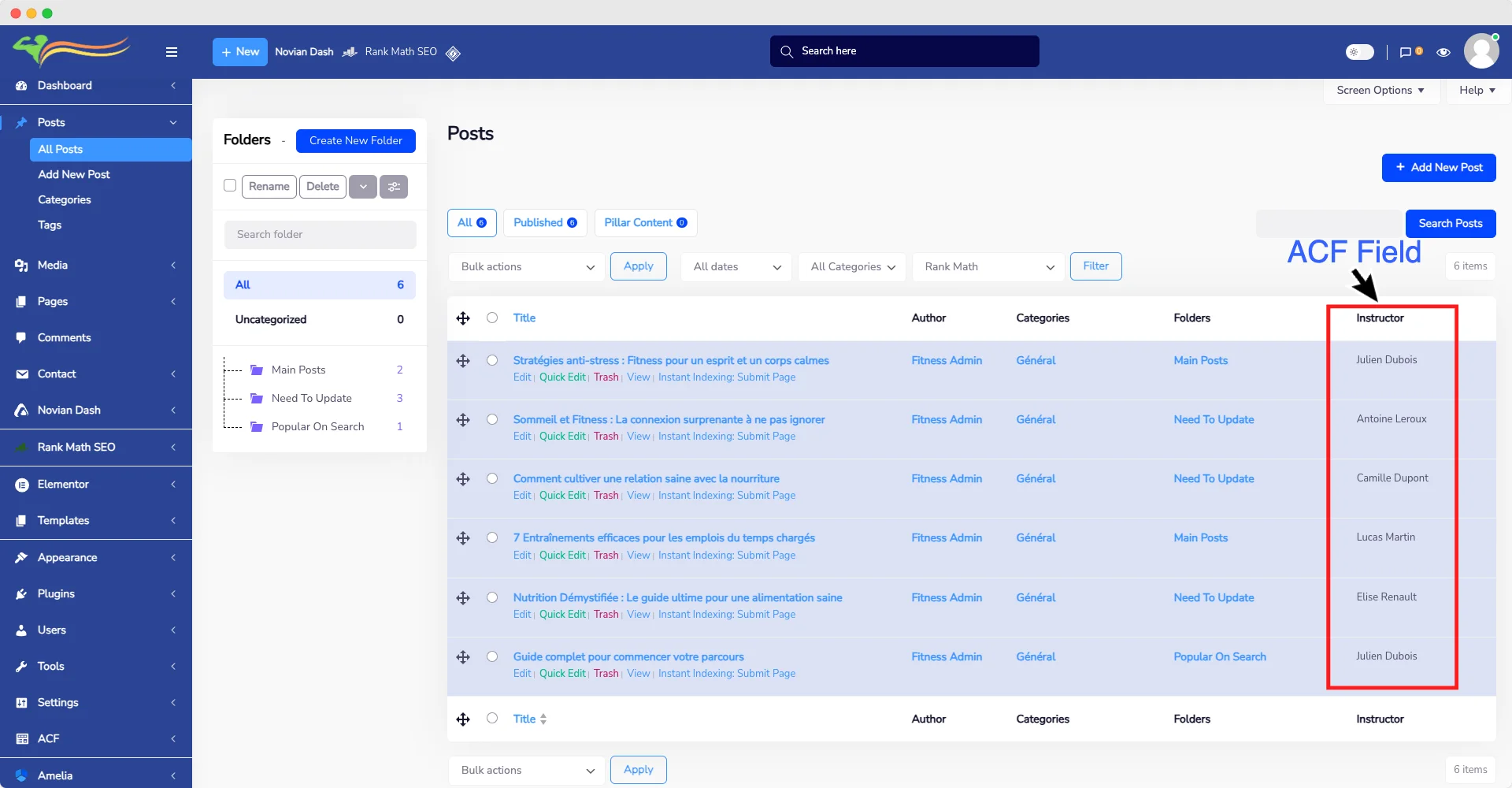
The posts list shows Title, Author, Categories, Tags, Comments, Date. Fine for a 2009 blog. Useless for anything else.
The admin columns editor lets you add, remove, and reorder columns on any post type. Three things make it worth turning on:
- ACF field values. Show a custom field right in the list view instead of opening each post to check it.
- Featured image thumbnails. Scanning a product list visually beats reading 40 titles.
- WooCommerce support. Pull SKU, stock, or price into the product list.
Set the column width while you’re in there. Otherwise one long title squeezes everything else off the right edge of the screen, which is a fun thing to discover after you’ve added six columns.
Custom dashboard widget: replace the panel nobody reads
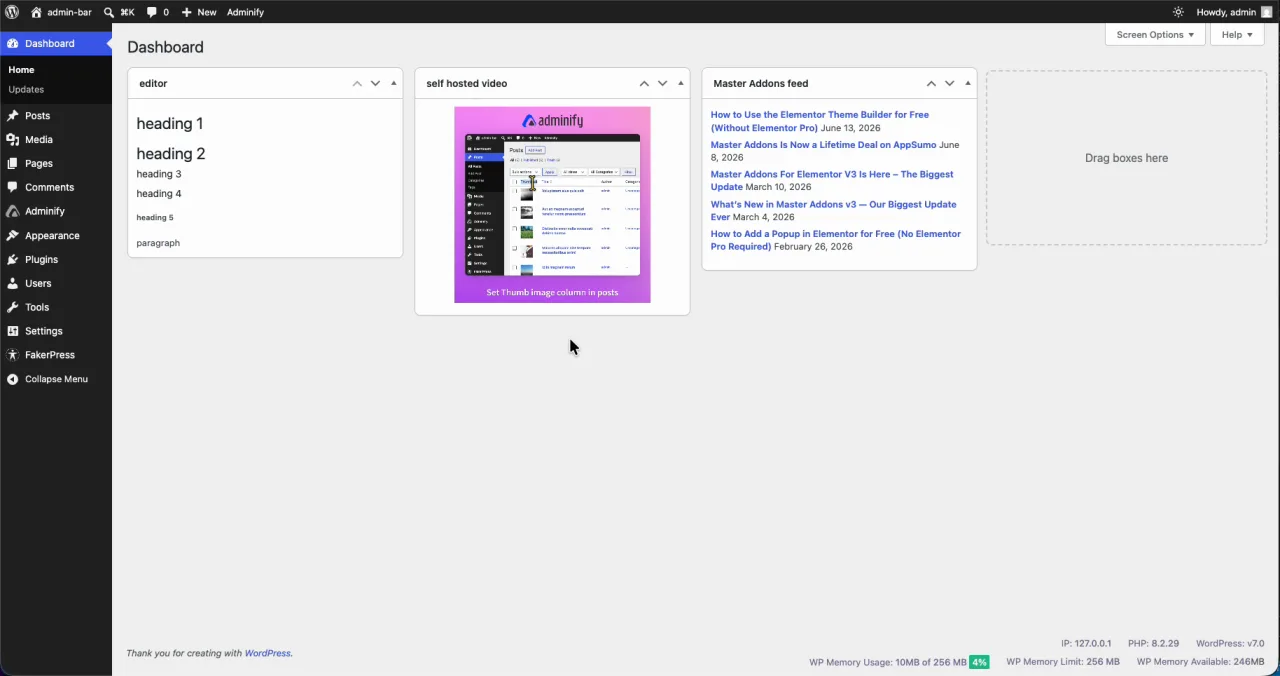
The WordPress welcome panel and the “WordPress Events and News” widget are pure noise on a client site. Remove them and put something useful in the space.
The custom dashboard widget module builds widgets from text, RSS feeds, or an iframe, and it takes shortcodes, which quietly makes it more capable than it first looks. On a client site, one widget holding your support contact, a link to their training video, and a short “how to add a blog post” reminder answers the same three questions you’d otherwise answer by email until the end of time.
Widget visibility is role-controlled, so your internal notes stay internal.
Disable admin notices: the module you’ll thank yourself for
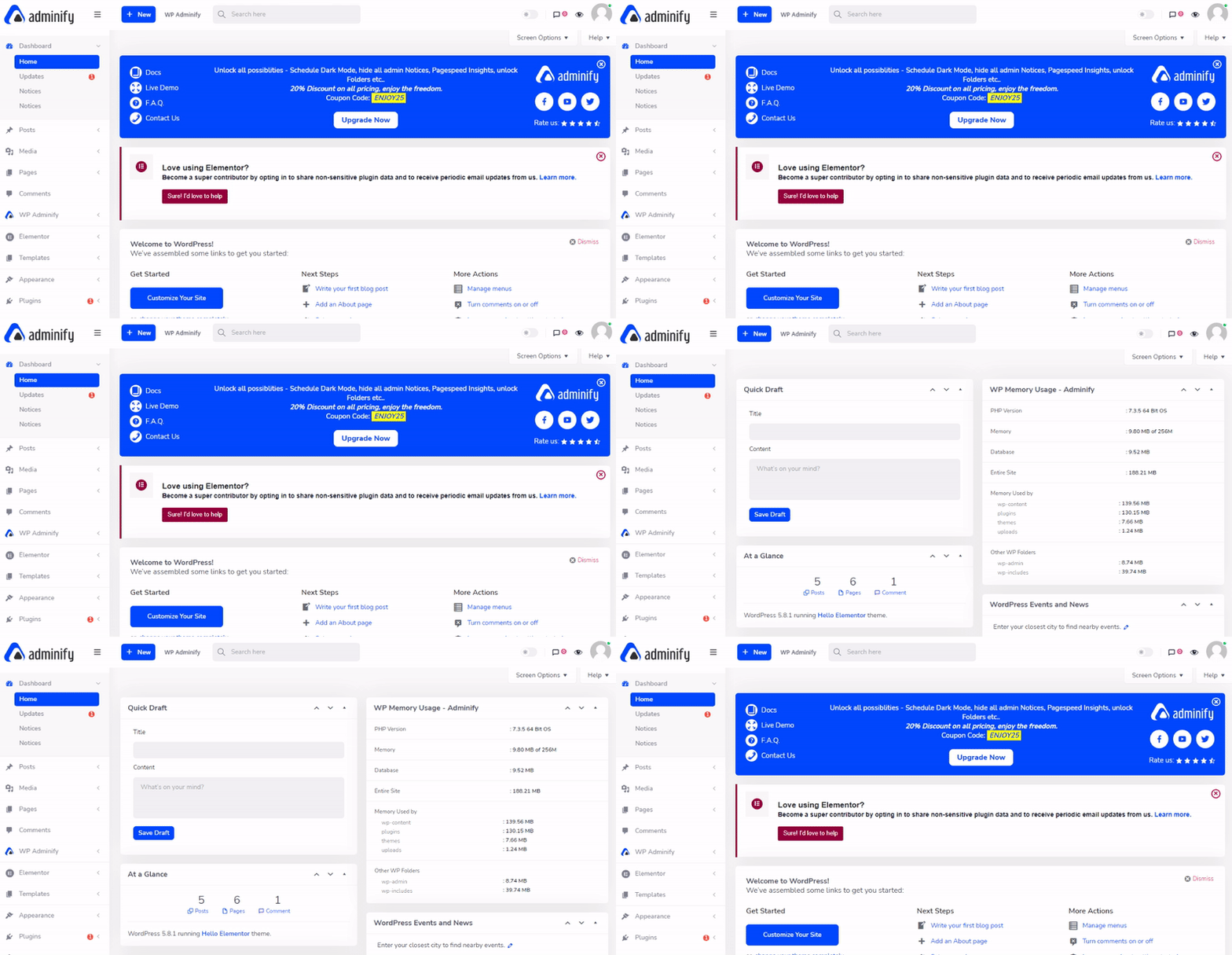
Every plugin thinks its notice is the important one. Stack ten and the top third of every admin screen is a wall of upsells, review requests, and Black Friday banners.
Adminify hides them in one click. You can push them into a separate notices panel instead of deleting them outright, so you can still check for anything real, and you can hide the welcome panel and suppress update messages for non-admin users. On a client site this alone justifies the install. A client who sees a red “your license expired” banner will email you about it whether or not it means anything.
If you’d rather do it by hand, we wrote that up separately: How to Disable WordPress Admin Notices.
Custom admin page: build a page inside wp-admin
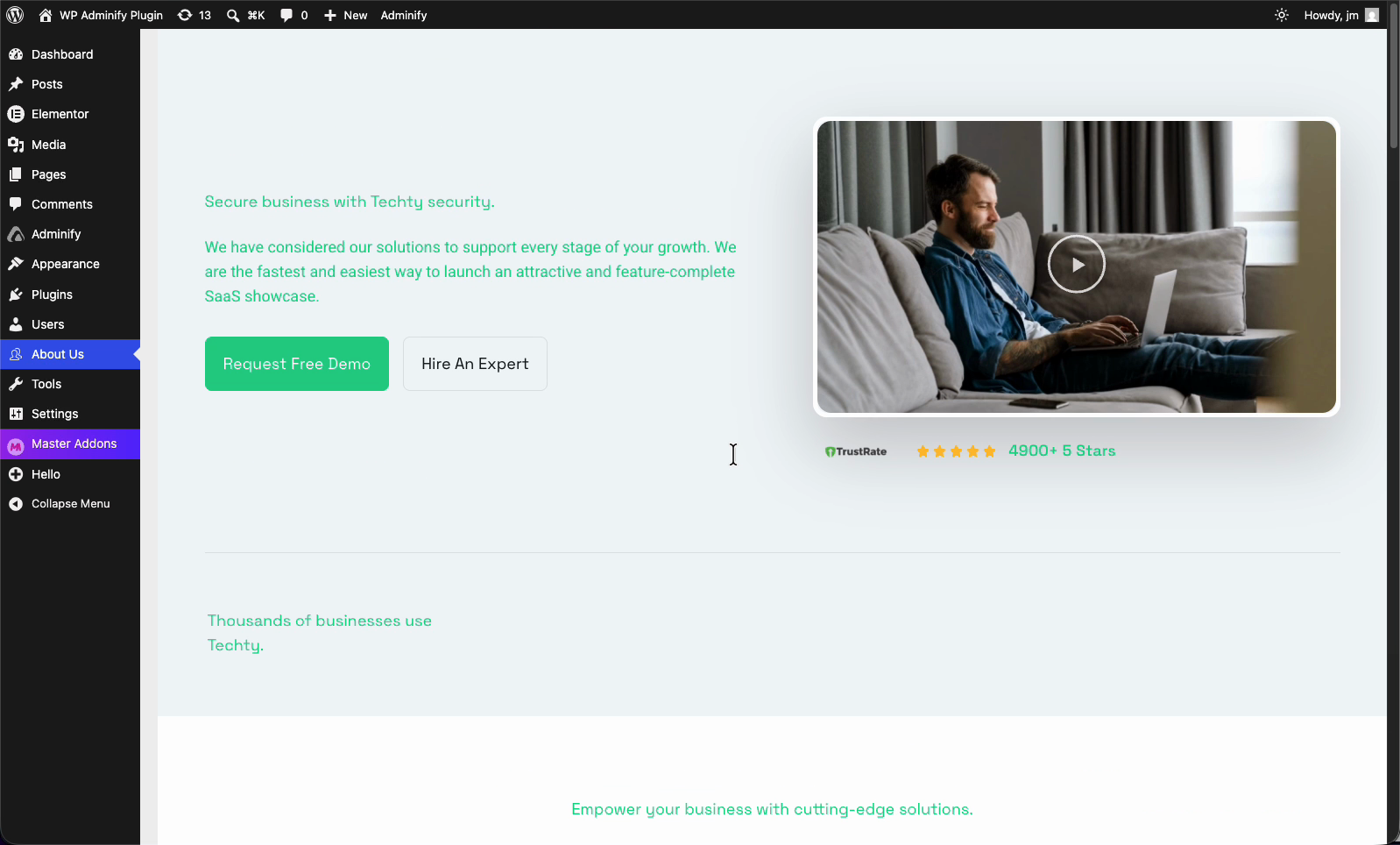
The custom admin page module creates entirely new pages inside the dashboard, built with your page builder, and drops them into the admin menu wherever you want.
The obvious use is client onboarding: a branded welcome screen with your logo, embedded training videos, links to the sections they actually use, and your support form. It works with any page builder, and access is role-based, so what an editor sees and what an admin sees can be two different pages.
Media folder: fix the media library
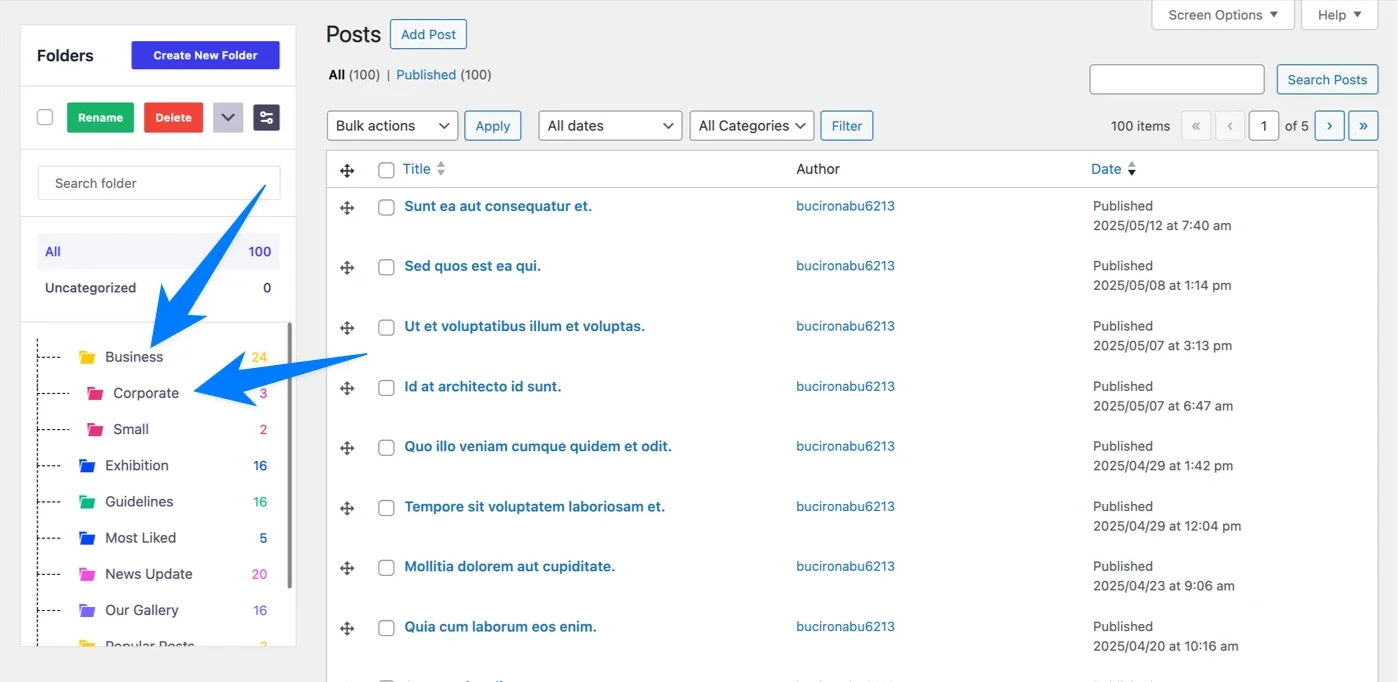
WordPress has never had folders in the media library, and after two years of uploads that stops being a quirk and starts being a problem. Adminify adds unlimited folders and subfolders with drag-and-drop sorting, works across all post types, and has an infinite-scroll option for the library.
Nothing clever going on here. But if you’ve ever spent two minutes hunting for a logo you uploaded in March, you already know what it saves.
Post type order: put posts in the order you want
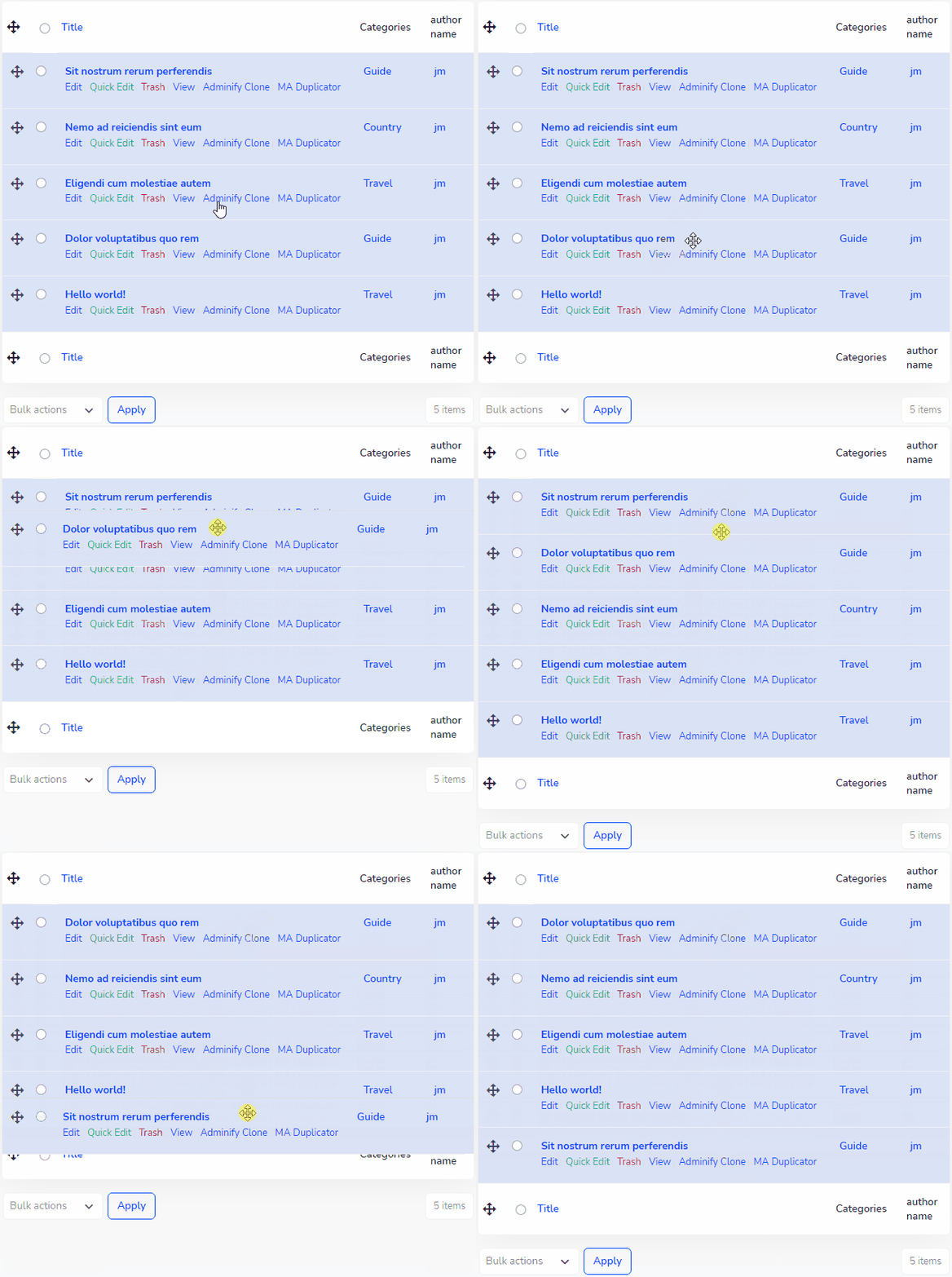
WordPress sorts posts by date. For a portfolio, a services list, or a team page, that’s the wrong order. The post type order module makes any post type drag-and-drop sortable, custom post types included, with ACF and Pods support.
Enable it per post type rather than globally. You don’t want manual ordering on your blog, where date order is the correct answer. The media library can be sorted this way too.
Loginfy: the login page your client sees first
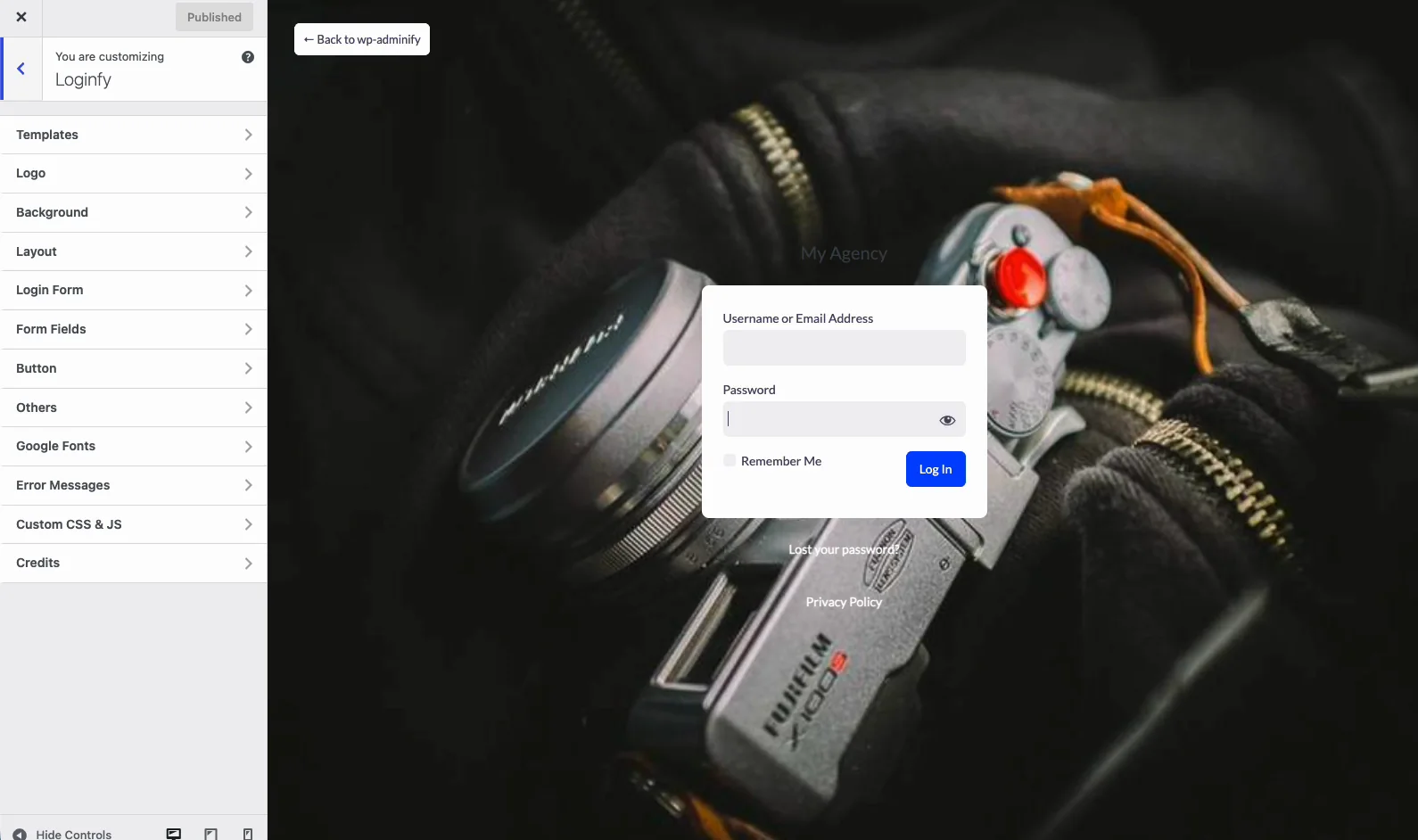
Loginfy handles the wp-login.php screen, and it’s the highest-leverage branding change on a client site, because the login page is the one screen they see every single time they touch the website.
Swap the WordPress logo for theirs, set a background image, color, gradient, or slideshow, and control the form’s width, background, border radius, and shadow. Button colors and labels are editable too. The free version ships 4 templates; Pro takes it to 16 and adds video backgrounds, white labeling, and custom CSS and JS.
It runs through the native WordPress Customizer with a live preview, so you’re not saving and refreshing to check each change. Free on WordPress.org with a 5-star rating. For the wider field, see our roundup of WordPress login page customizer plugins.
RoleMaster Suite: user roles without the guesswork
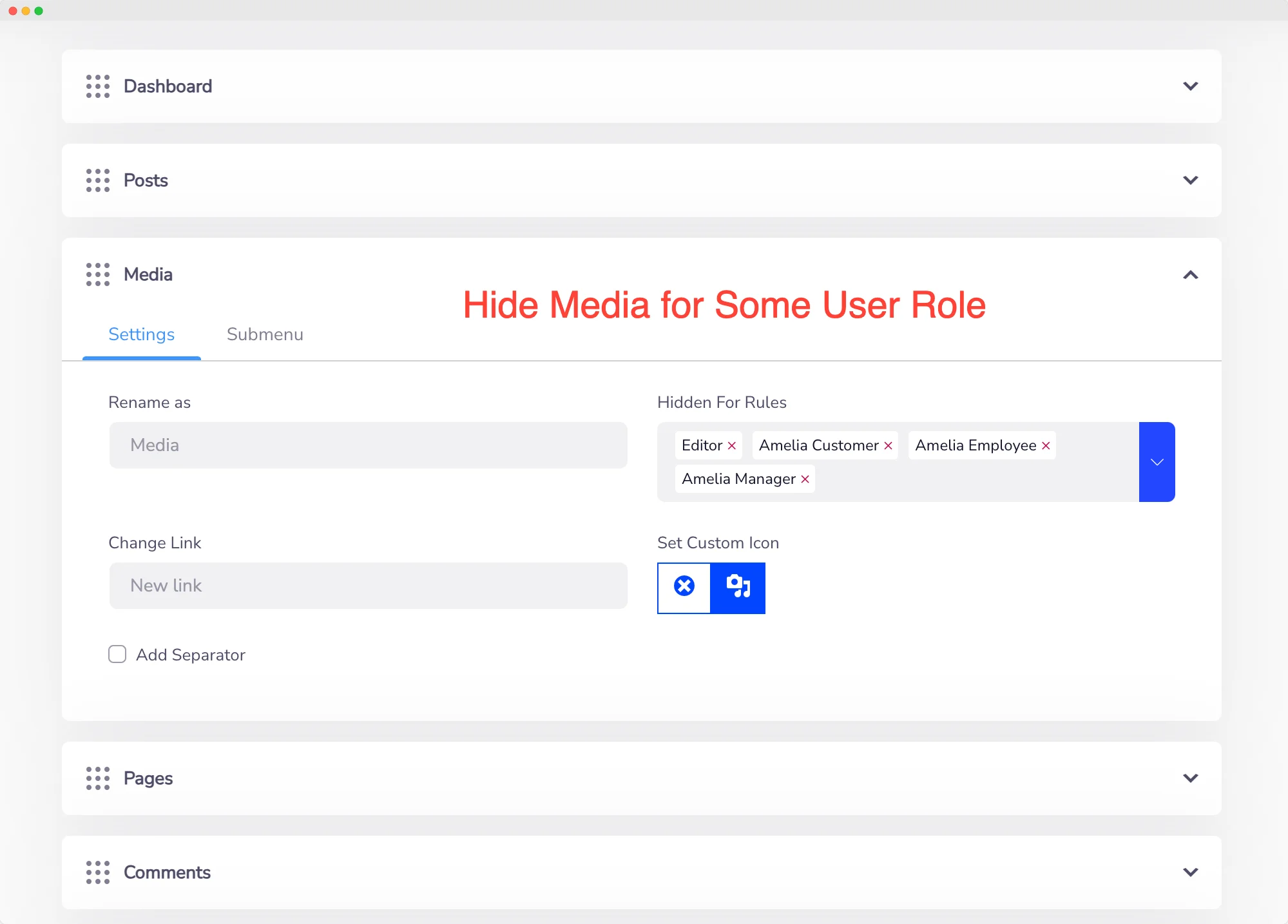
RoleMaster Suite is a free user role editor from the WP Adminify team, and it’s what you reach for when the five built-in WordPress roles don’t fit the site.
Create unlimited custom roles, assign capabilities one by one, and control exactly what each role can see and do. The everyday case is a “Client” role that can edit pages but can’t touch plugins, themes, or users. The bigger case is membership sites, where role-based access control is the entire mechanic. If that’s where you’re headed, our guide to creating a WordPress membership site covers the rest of the stack.
It pairs with the menu editor better than either works alone. RoleMaster controls what a role is allowed to do; the menu editor controls what they can see. Use both and a client dashboard becomes simple rather than just tidy.
White label: hand over a dashboard with your name on it
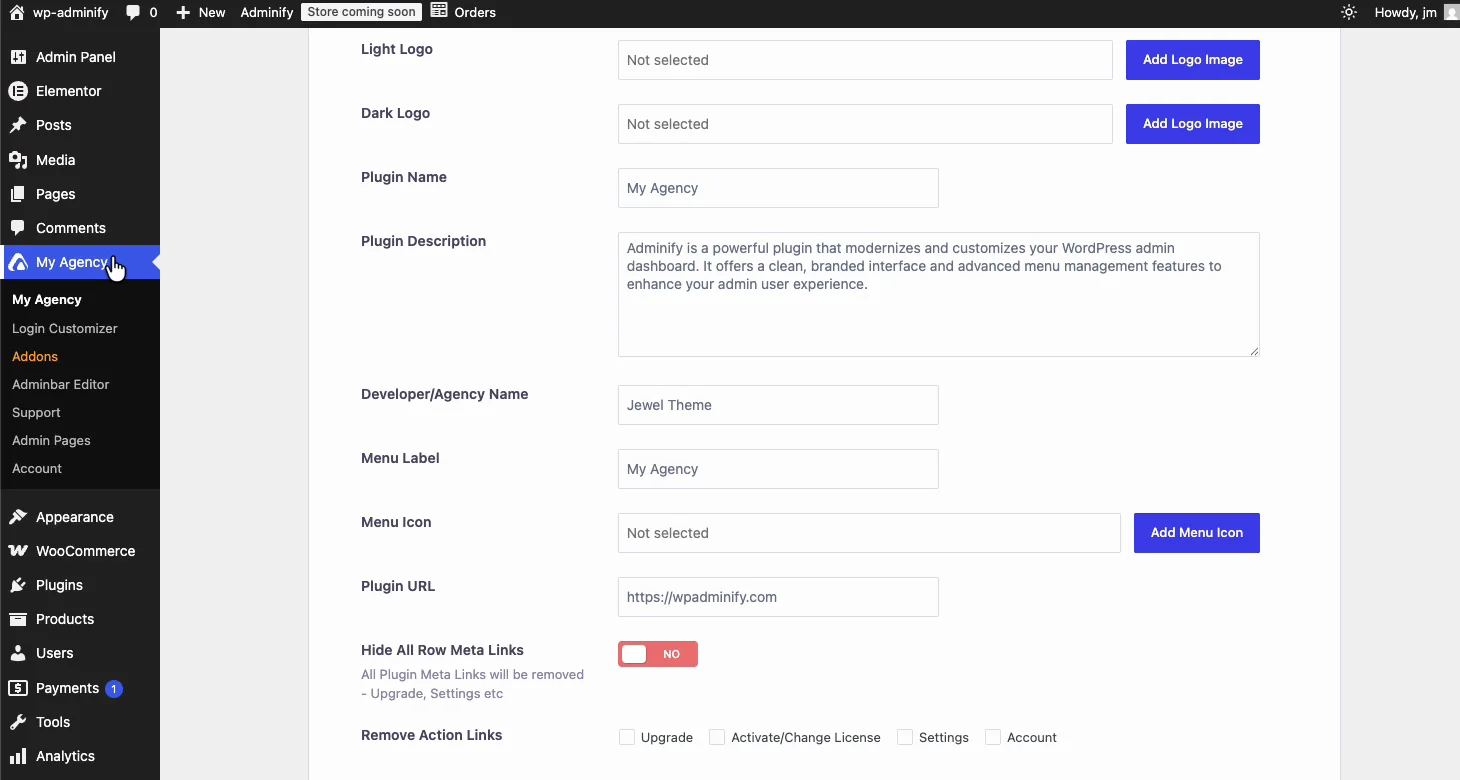
Adminify white labels at two levels, and the distinction is worth understanding before you buy:
- White label WordPress itself. Replace the WordPress logo, admin footer text, favicon, and login branding so the whole backend reads as your agency’s.
- White label WP Adminify. Rebrand the plugin, so the client never learns which plugin is doing the work and never gets a support prompt from a vendor they have no relationship with.
That second one is the agency feature, and it’s the same reasoning behind White Label in Master Addons Pro. On a client site, every plugin showing its own brand is a plugin the client can go look up, and maybe buy directly, with you cut out of it.
Activity logs: know who broke it
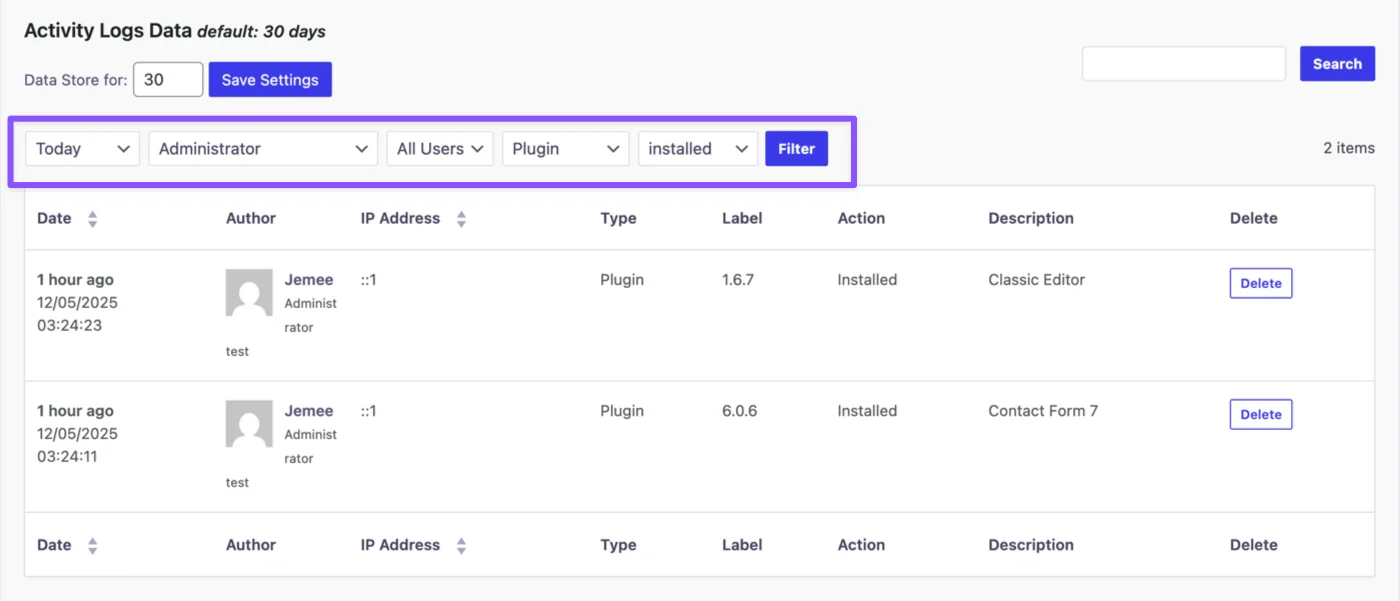
Activity Logs record who did what and when: logins, post edits, plugin activations, settings changes, new users.
On a multi-author site, or any site where a client has access, this is the module that ends the “I didn’t touch anything” conversation in about ten seconds. It’s also the first place to look when a site starts misbehaving and nobody will own up to installing something.
Security and performance modules
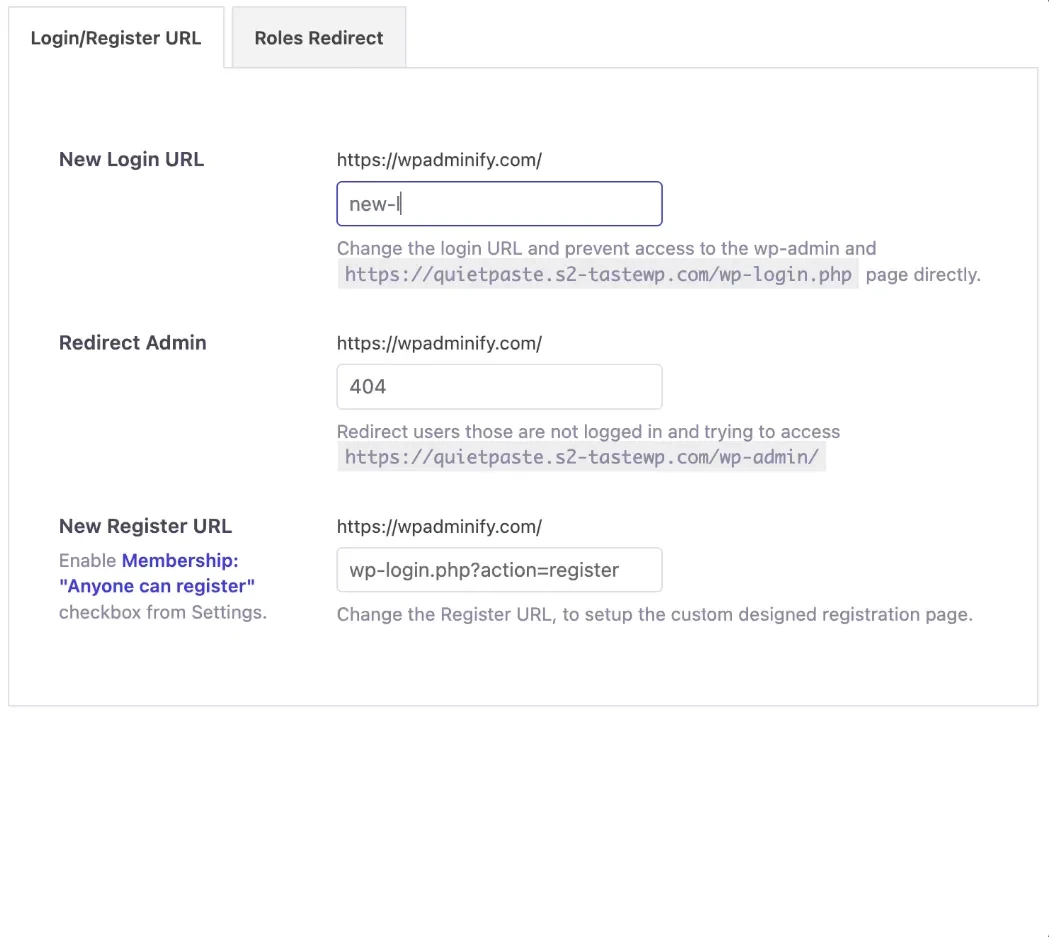
Adminify bundles the admin-side security basics you’d otherwise install three plugins for:
- Custom login URL. Move wp-login.php somewhere bots don’t guess. This is the plugin version of what we cover by hand in changing the WordPress admin URL without a plugin.
- Smart login redirects. Send each role somewhere useful after login instead of dumping everyone on the same dashboard.
- Disable comments. Kill comments across posts, pages, and custom post types, front end and back, without a dedicated plugin.
- Disable embeds and head cleanup. Strip the meta cruft WordPress prints by default.
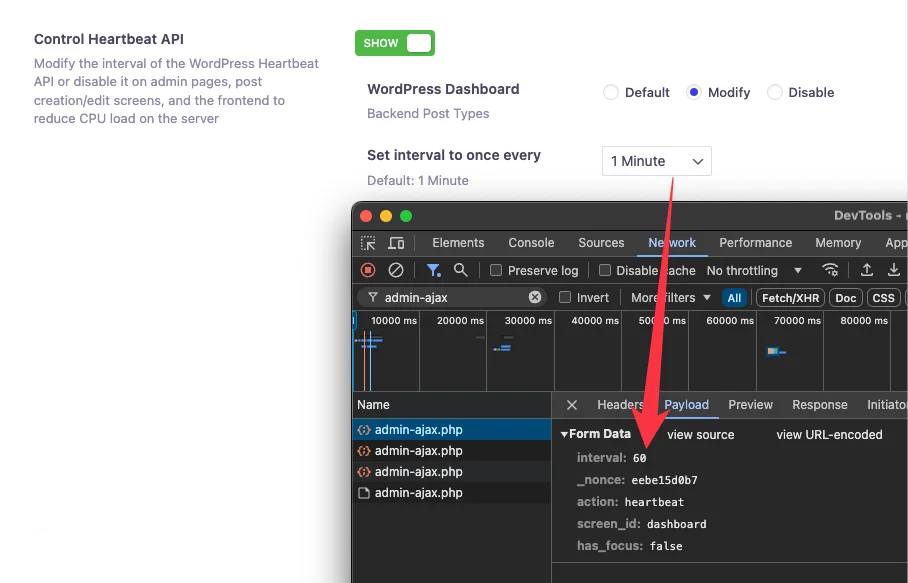
On the performance side, Heartbeat Control is the one that matters. The WordPress Heartbeat API fires an admin-ajax request every 15 to 60 seconds while an editor sits open, and on shared hosting that’s a genuine slice of your CPU allowance spent on nothing at all. Adminify lets you throttle or disable it separately for the dashboard, the post editor, and the front end.
Pair it with turning off autosave if your editor feels sluggish: how to disable autosave in WordPress. Both are backend savings, so neither shows up in a Lighthouse score. You’ll feel them in the editor instead. Front-end speed is a different job, covered in our Elementor speed guide.
Code snippets, post duplicator, and the rest
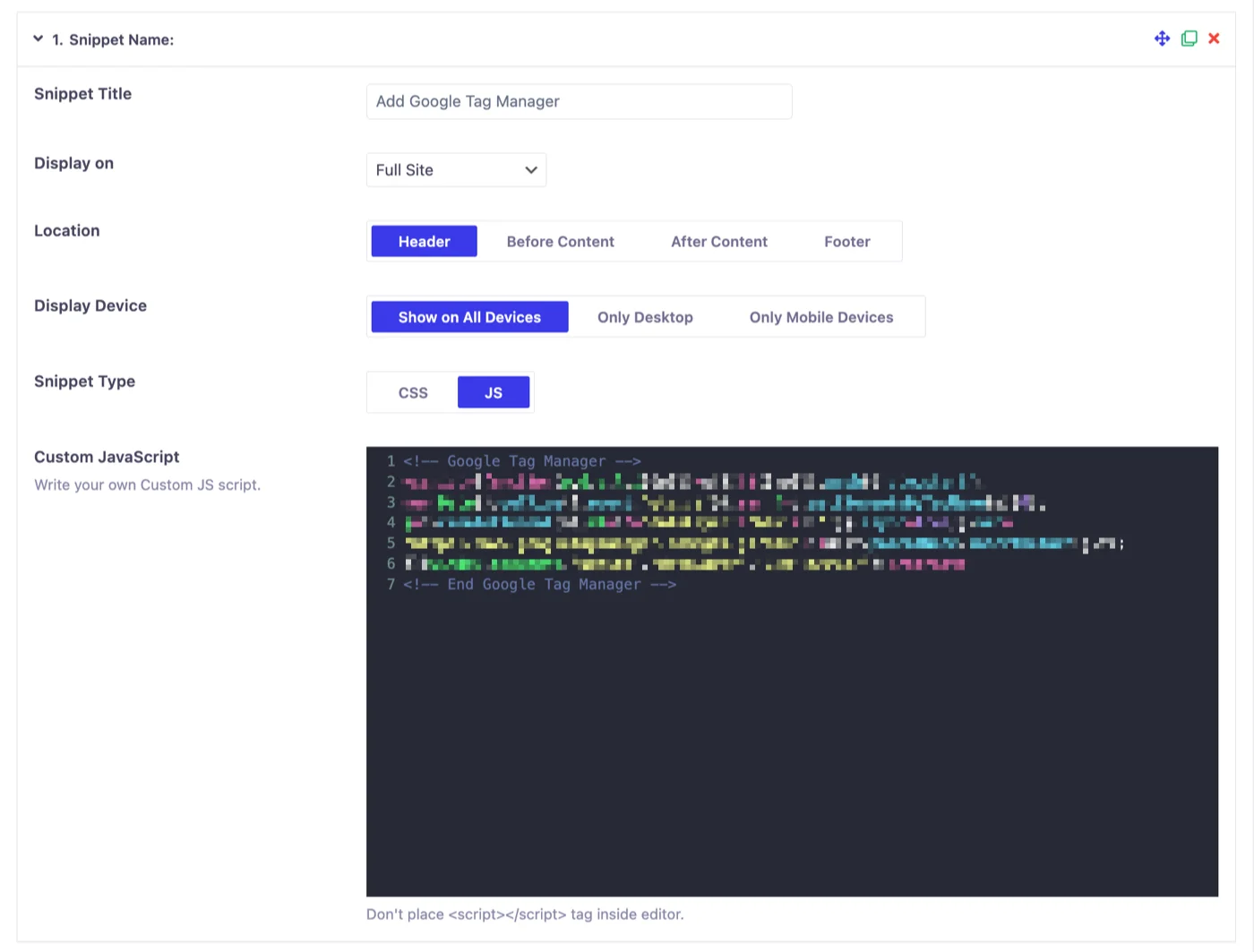
A handful of smaller modules, each replacing a plugin somebody out there is currently running:
- Header & Footer Scripts. Unlimited custom CSS and JS snippets, injected where you choose. Replaces the “insert headers and footers” plugin sitting on roughly every site on earth.
- Post Duplicator. One-click duplication of any post, page, or custom post type, taxonomies and meta intact. Works with page builders and WooCommerce.
- Redirect URLs. Manage redirects from the dashboard, role-based ones included.
- Google PageSpeed. Track your PageSpeed history inside wp-admin instead of re-running the test and forgetting last week’s number.
- Quick Menu. A command-palette style shortcut to any Adminify setting.
- Screen options control, media replace, and infinite scroll for the media library.
Free vs Pro, and what it costs
The free plugin on WordPress.org does real work: dark mode, menu reordering, admin notices, media folders, dashboard widgets, and the login customizer are all in it. Pro is where the agency features live.
| Feature | Free | Pro |
|---|---|---|
| Dark mode | Yes | Yes, plus scheduling |
| Admin menu editor | Reorder only | Full: roles, icons, custom items, search |
| Admin skins | 3 styles | 7 color presets + custom |
| Media folders | Limited | Unlimited |
| Admin columns editor | No | Yes |
| Custom admin pages | No | Yes |
| Post type order | No | Yes |
| White label | No | Yes (WordPress + the plugin itself) |
| Custom login URL | No | Yes |
| Heartbeat control | No | Yes |
| Dashboard & welcome widget | No | Yes |
Pricing runs $79/year for 1 site (Personal), $129/year for 5 sites (Business), and $299/year for unlimited sites (Agency). The lifetime bundle is $799 for unlimited sites and pulls in Loginfy, WP Spotlight, Header & Footer Scripts, Quick Menu, Admin Bar Editor, and Admin Columns Editor alongside the core plugin. There’s a 14-day money-back guarantee, same terms we run on Master Addons Pro.
Do the math against the alternative before you write off the Agency tier. A separate dark mode plugin, menu editor, columns plugin, media folders plugin, login customizer, and white label plugin, each with its own license, clears $299 fast, and then you’re maintaining six of them forever.
How to customize your WordPress dashboard (the short version)
- Install WP Adminify from Plugins → Add New, then activate it.
- Open the Adminify menu. The modules are listed as toggles. Switch off everything you don’t need before you configure anything, since that’s the entire point of a modular plugin.
- Set your skin and turn on dark mode. Enable OS-based detection so it follows each user’s system setting.
- Open the menu editor and reorder the admin menu. Hide anything a client should never see, then set role-based visibility.
- Turn on Disable Admin Notices, and hide the welcome panel while you’re in there.
- Add a custom dashboard widget with your support details and any client instructions.
- On a client site, enable White Label and set the logo, favicon, and footer text. Then set up Loginfy so the login screen matches.
- Make a staging copy first if the site is live. That goes for any plugin that touches wp-admin, not just this one.
Most of it takes about twenty minutes. The client-handoff modules (white label, roles, custom admin page) take longer, and they’re the ones worth slowing down for.
Frequently asked questions
What is the best WordPress admin dashboard plugin?
WP Adminify covers the most ground: dark mode, admin menu editor, custom columns, dashboard widgets, media folders, white label, and login customization in one plugin with 60+ modules. It replaces a stack of single-purpose plugins, and the free version on WordPress.org handles the basics.
Can I add dark mode to the WordPress admin panel?
Yes. WP Adminify’s dark mode admin panel flips the whole backend with one click, supports OS-based automatic switching and time scheduling, and styles 50+ popular plugin screens including WooCommerce and Rank Math, so you don’t get a dark dashboard with white plugin pages inside it.
How do I reorder the WordPress admin menu?
Use an admin menu editor. WP Adminify’s lets you drag menu items into any order, rename them, hide them per user role, change their icons, add custom links, and insert separators. Role-based hiding is the one that prevents client support tickets, since they can’t break what they can’t see.
Can I white label the WordPress dashboard for clients?
Yes, at two levels. You can rebrand WordPress itself (logo, favicon, footer text, login screen) and rebrand WP Adminify so the client never sees which plugin is doing the work. White label is a Pro feature, available from the $79/year Personal plan up.
Is WP Adminify free?
There’s a free version on WordPress.org with 7,000+ active installs, covering dark mode, menu reordering, admin notices, media folders, and the login customizer. Pro starts at $79/year for 1 site and unlocks white label, admin columns, custom admin pages, post type order, and heartbeat control.
Wrapping up
A WordPress admin dashboard plugin isn’t a vanity purchase. The dashboard is where you spend your working hours, and it’s where your clients form their opinion of the site you built them. Leaving it as stock WordPress, nag notices and all, is a choice, and it’s usually the wrong one. The front end deserves the same treatment — if the site runs long-form content, a good table of content plugin keeps readers oriented the way a clean dashboard keeps you oriented.
Start with the free version of WP Adminify. Turn on dark mode and the menu editor, hide the notices, and see how the backend feels after a week. If you build sites for other people, white label and the role modules are what turn it from a nice-to-have into something you can bill for.
Related reading: Best WordPress Dark Mode Plugins · Customize WordPress Login Page Plugins · How to Setup Google Analytics on WordPress · Master Addons Theme Builder
