Field notes · 2016–2026

Ten winters of laying hedge, measured in metres and in birds.

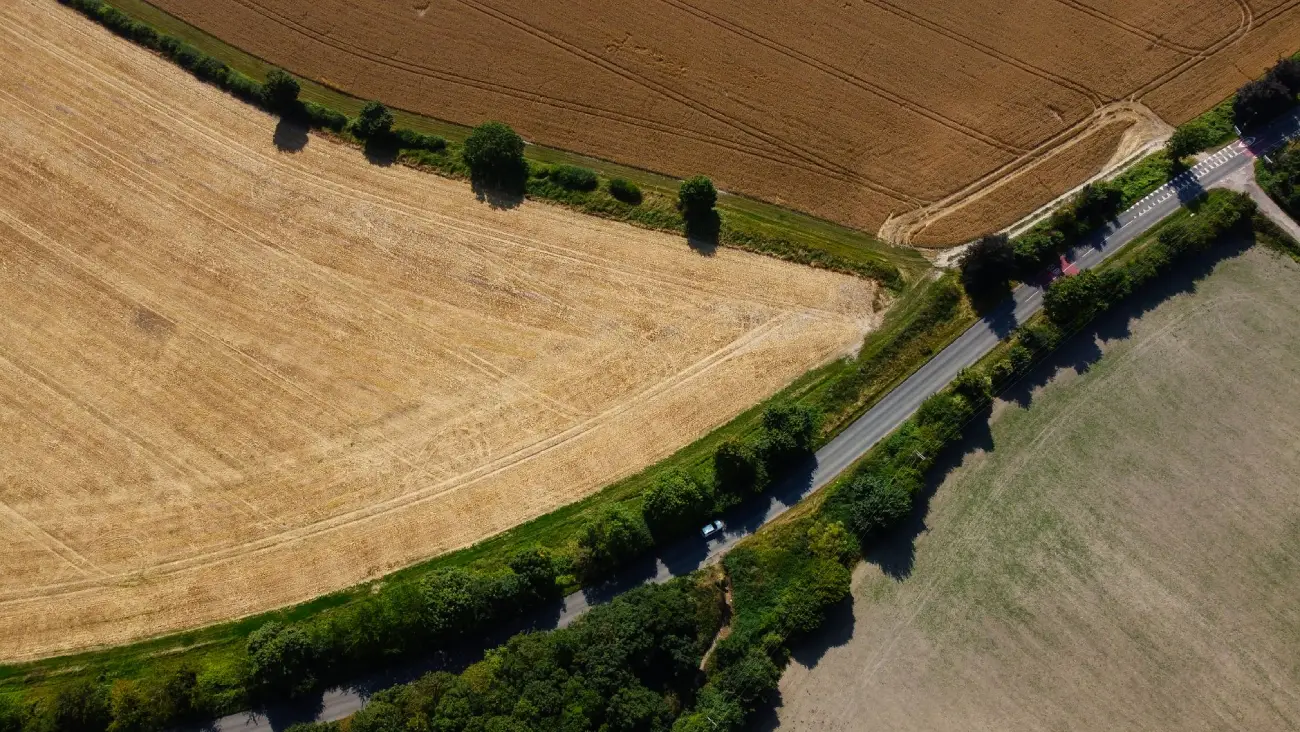
We took the farm on with 2.1 km of hedge, most of it flailed back to a stump. Laying it by hand is slow — a good day is thirty metres — so the work gets planned in winters rather than seasons.

pexels-photo-36682766.webp
Winter 2016–17

The first hundred and eighty metres

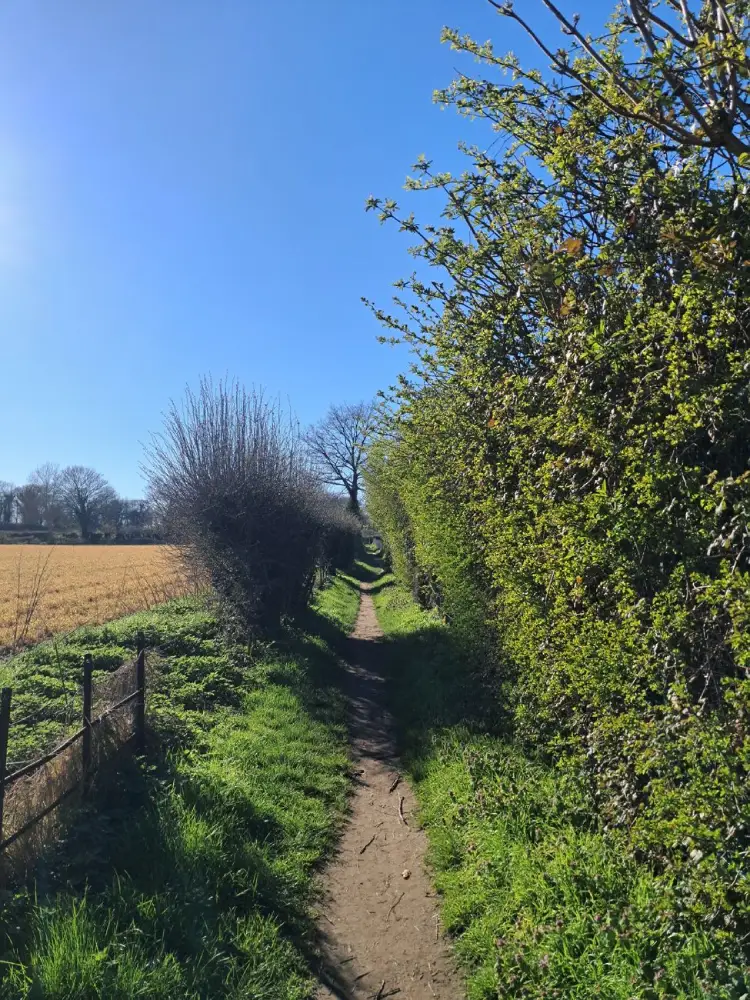
We started on the lane boundary because it was the worst of it. Hazel and blackthorn, laid Midland style, staked with ash cut out of the same hedge. Eleven stools were lost to the frost that February and had to be gapped up the following autumn.
Winter 2016–17
pexels-photo-38781477.webp
Winter 2019–20

Coppice and gap-up

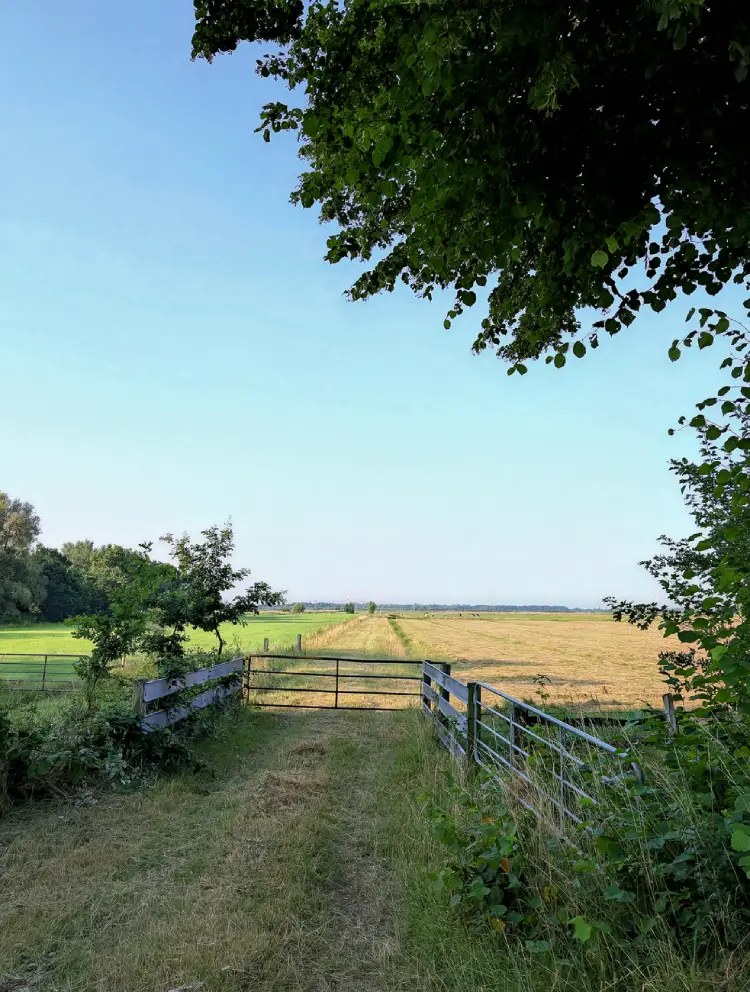
Four hundred whips went into the gaps — hawthorn, field maple, dog rose and spindle, in that proportion. Guards came off after three years rather than five, because deer pressure here turned out to be lower than the grant scheme assumed.

Winter 2019–20
pexels-photo-37154901.webp
Winter 2022–23

The top fields

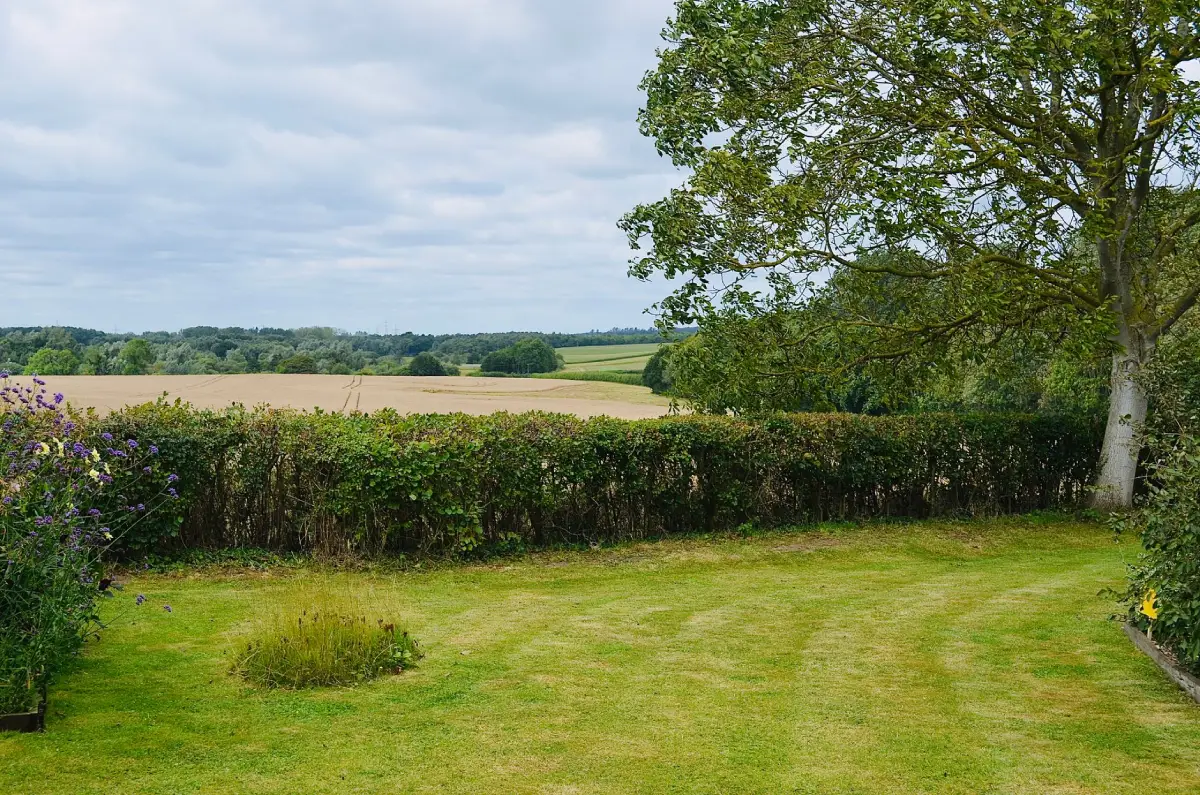
Six hundred metres across the two top fields, worked uphill so the brash could be dragged down rather than carried up. This is the stretch that now holds the yellowhammers, which had not been recorded on the farm since 2011.

Winter 2022–23
pexels-photo-9465508.webp
Winter 2025–26

Back round to the beginning

The lane hedge came round for its second laying, nine years after the first. It took four days instead of eleven, which is the entire argument for keeping to a rotation rather than cutting when a hedge finally forces the issue.

Winter 2025–26
Metres laid per winter1,875 m laid · 230 m left as standing timber
2016–17180 m
2017–18240 m
2018–19310 m
2019–20205 m
2022–23600 m
2025–26340 m
Breeding pairs recorded on the farm31 in 2016 → 74 in 2026across 19 species

Hedge condition is scored against the Hedgerow Survey Handbook each May by a volunteer from the county wildlife trust, not by us.